4-Day Glacier National Park Itinerary
Four days threading Glacier's west-to-east masterpiece: lake basins, alpine passes, and the nation's highest grizzly density.
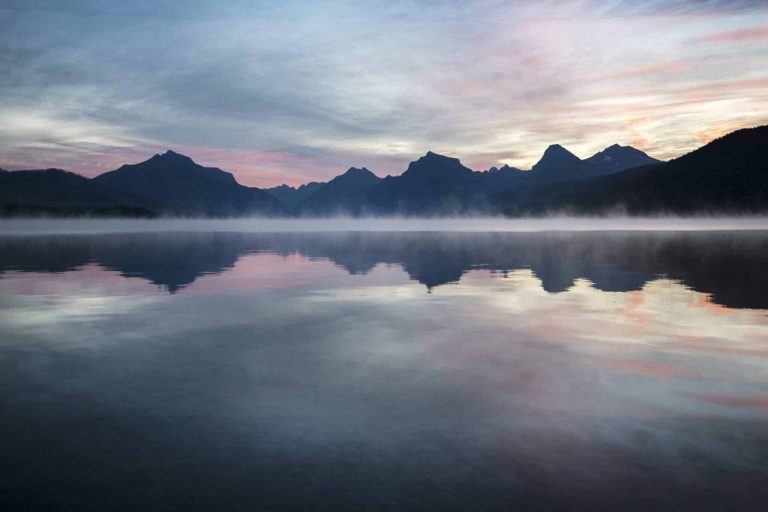
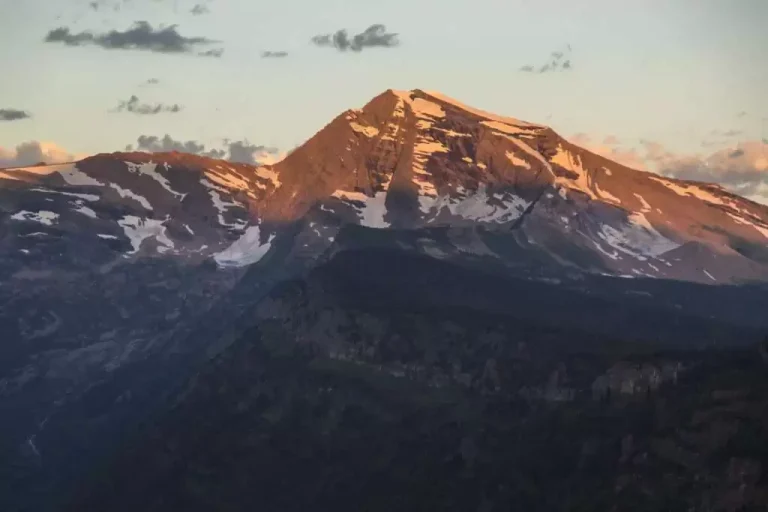
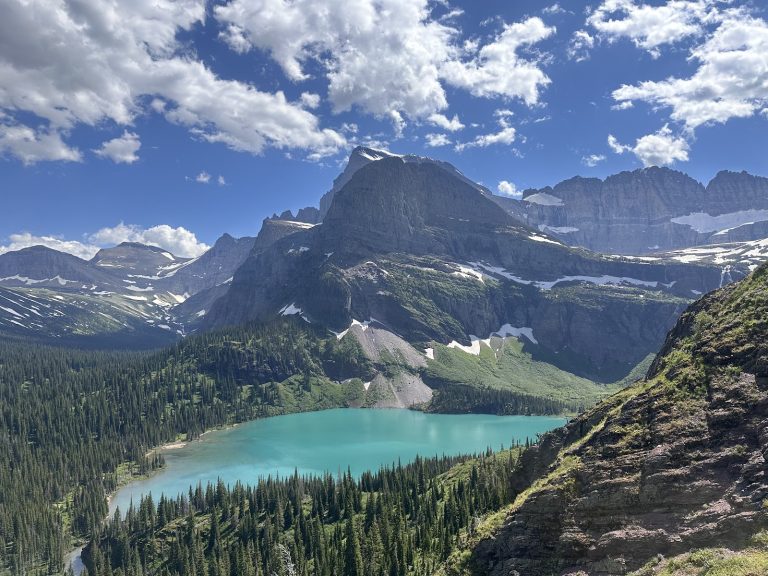
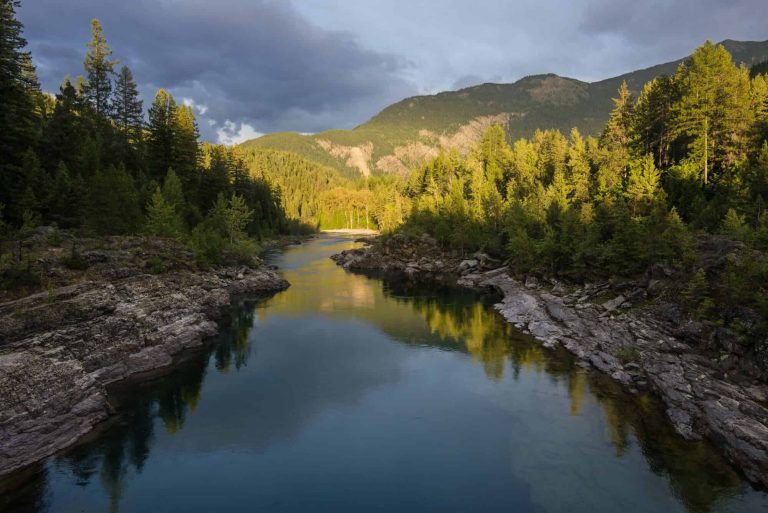
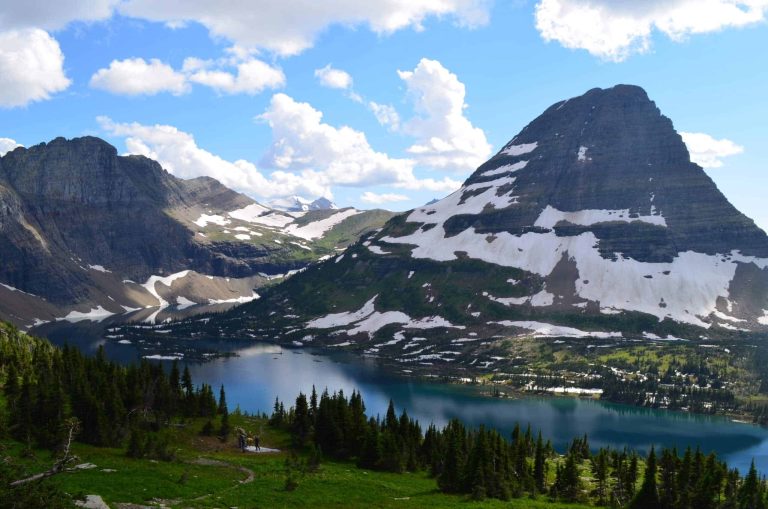
Glacier National Park sprawls across the northern Rocky Mountains in Montana, where 26 remaining glaciers carve turquoise lakes and 10,000-foot peaks define a landscape shaped by ancient ice. The park's signature Going-to-the-Sun Road climbs to Logan Pass, threading between the Livingstone and Continental ranges and opening seasonal access to trails few national parks can match.
- 1M+ Acres
- 745+ Miles of trails
- 26 Active glaciers
- Top Grizzly density (lower 48)
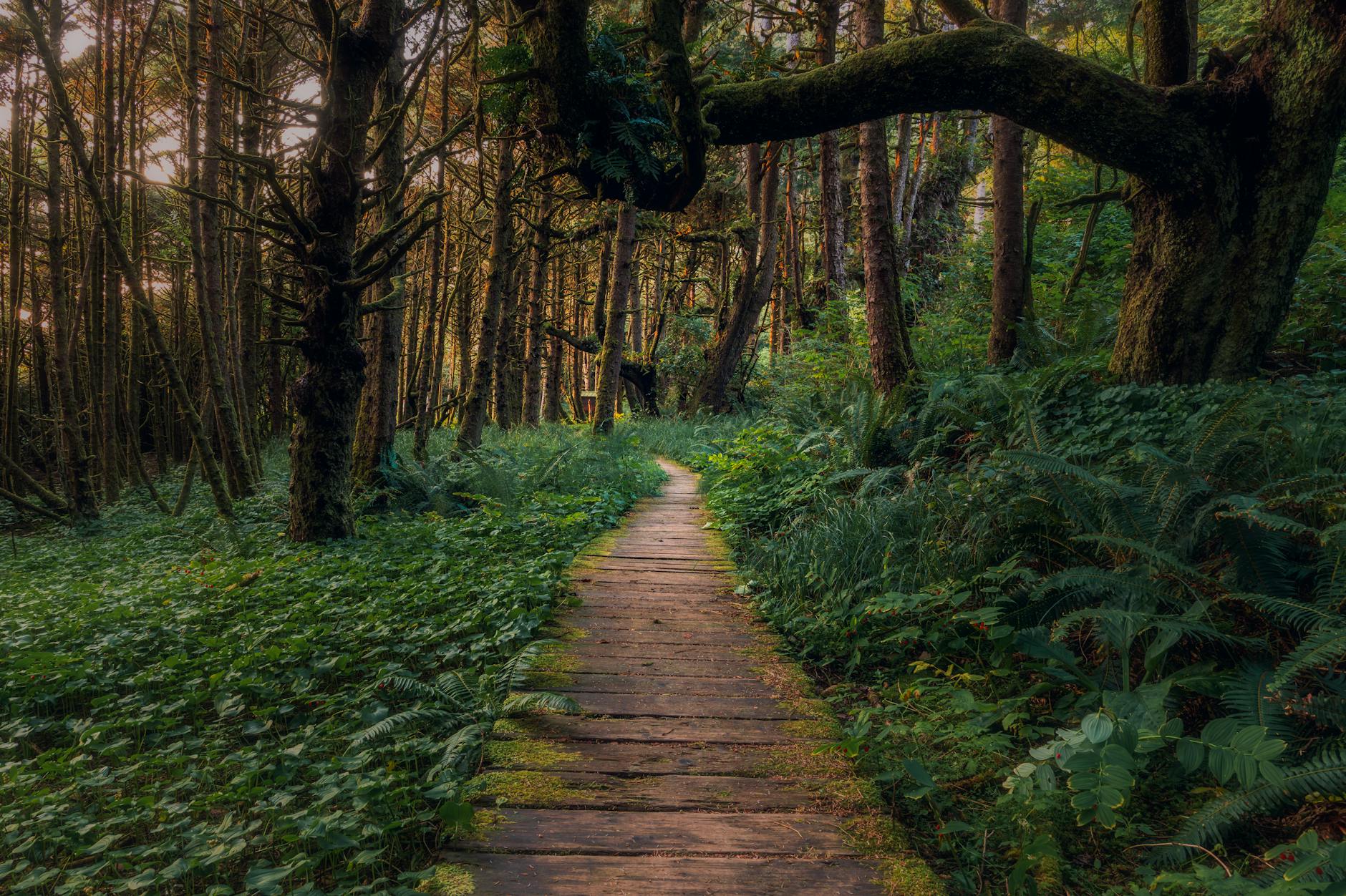
Day 1: West Glacier & Lake McDonald's Old-Growth Forest, Trail of the Cedars & Avalanche Creek & Gorge & Avalanche Lake
Stay: Lake McDonald Lodge, 10 miles inside the west gate on the Going-to-the-Sun Road—historic 1913 Swiss chalet with lake views.
Ease into Glacier's terrain with two of the park's most popular and accessible trails—perfect for arrival day and legs stretched after driving.
- Enter at the west gate and drive to Avalanche Picnic Area on the Going-to-the-Sun Road.
- Start with Trail of the Cedars, a 0.9-mile wheelchair-accessible boardwalk loop through ancient western red cedars and hemlocks alongside Avalanche Creek.
- Continue to Avalanche Lake—2.3 miles one-way, steady climbing through old-growth forest to a turquoise cirque lake fed by waterfalls.
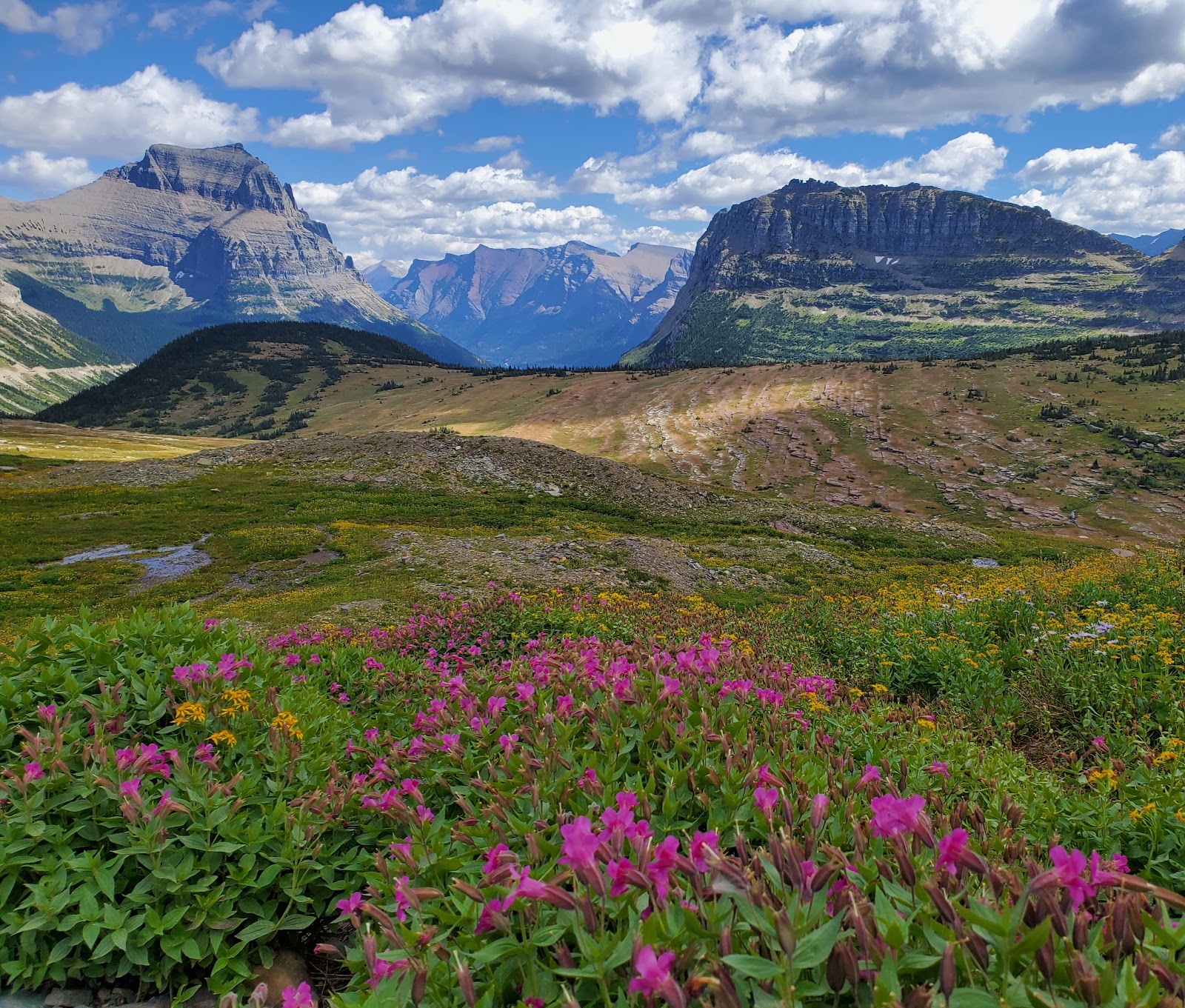
Day 2: Going-to-the-Sun Road to Many Glacier & Logan Pass Views, Wild Goose Island Overlook & Jackson Glacier Overlook & Logan Pass & Hidden Lake Overlook (optional)
Stay: Many Glacier Hotel, Swiftcurrent Lake—1915 Swiss-themed grand hotel, the park's biggest. Opens June 5; book well in advance or budget 1 hour each way from west side.
The Going-to-the-Sun Road is Glacier's crown jewel—a one-way masterpiece that connects the park's ecosystems and climaxes at Logan Pass before descending to Many Glacier's unmatched valley hiking.
- Depart Lake McDonald early (road opens fully by early July).
- Drive the 50-mile Going-to-the-Sun Road, stopping at Wild Goose Island Overlook for photography and Jackson Glacier Overlook for your first glacier view.
- Reach Logan Pass visitor center (6,646 ft) for restrooms and orientation.
- Descend to Many Glacier; if you have time and weather permits, hike Hidden Lake Overlook (3 miles roundtrip from Logan Pass, 700 ft gain, easy).
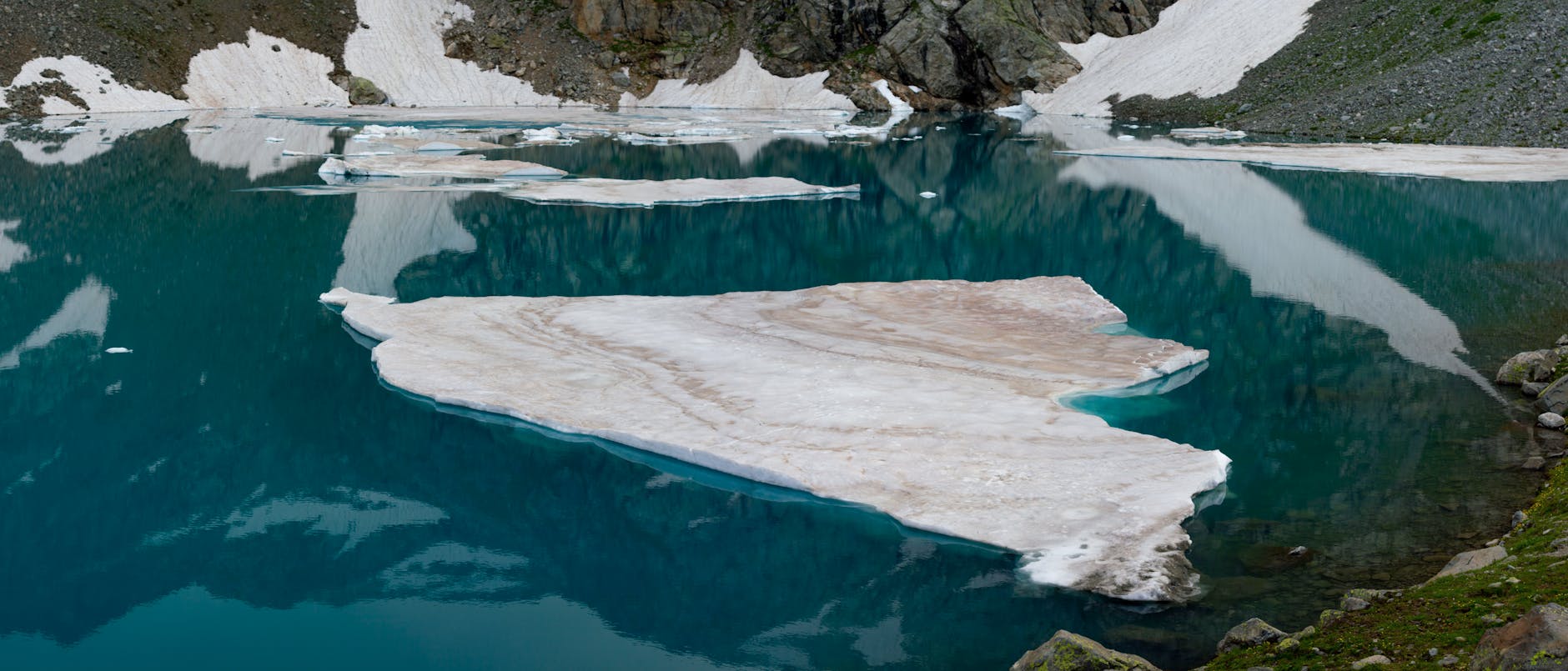
Day 3: Many Glacier's Signature Basin Hikes, Swiftcurrent Lake & Josephine Lake & Iceberg Lake & Mt. Wilbur views
Stay: Stay at Many Glacier Hotel or west side; if staying west side, plan for 1-hour drive each way. Early start essential regardless.
Iceberg Lake is Many Glacier's most attainable high-alpine hike, rewarding you with a glacially sculpted basin and floating ice even in August—the payoff for early alpine season work.
- Start behind the Swiftcurrent Motor Inn (Many Glacier area).
- Hike 9.7 miles roundtrip gaining 1,453 feet to Iceberg Lake, nestled below Mt. Wilbur (10,080 ft).
- The trail climbs steeply through forest, then opens into subalpine meadows ringed by 10,000-foot peaks.
- The lake's shadow keeps it below freezing year-round, floating icebergs even in July.
- Return same route.
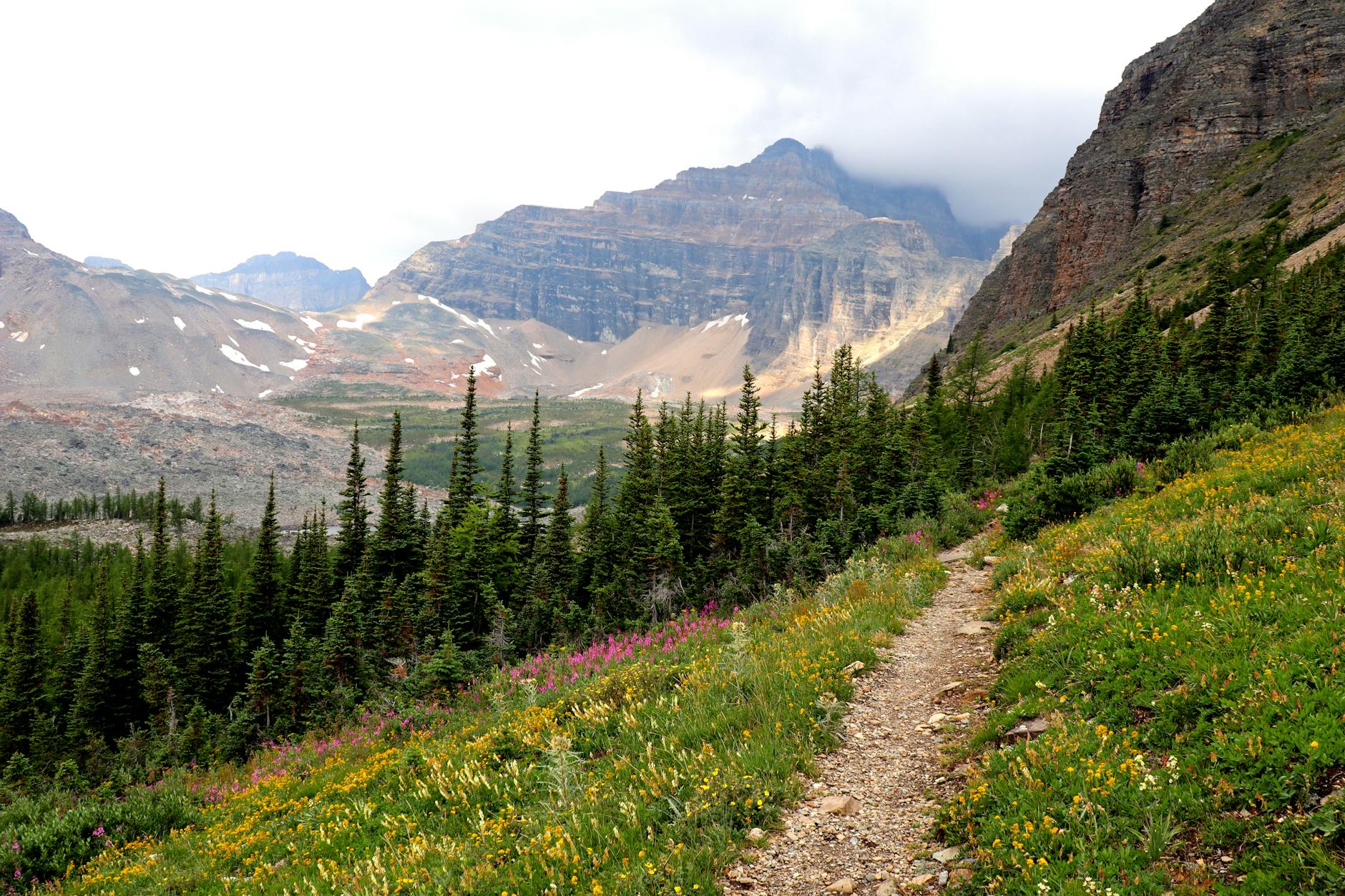
Day 4: Highline Trail & Logan Pass Alpine Crossing, Logan Pass & Grinnell Glacier overlook & Granite Park Chalet area & The Loop trailhead
Stay: If staying another night: Many Glacier Hotel, or depart from east side (St. Mary area) post-hike.
The Highline Trail is Glacier's most iconic alpine walk—11 miles of continuous high-elevation drama with exposure, wildflower meadows, and unobstructed Grinnell Glacier views. A 2026 shuttle pilot makes this once-hard-to-access trail feasible for a 4-day trip.
- Book a Logan Pass shuttle ticket (60-day advance window May 2 at 8am MDT on Recreation.gov, $1/person).
- Take the shuttle from either east (St. Mary) or west (Apgar/many locations) to Logan Pass.
- Hike the Highline Trail (Highline Trailhead at Logan Pass) westbound 11.8 miles one-way, descending 4,773 feet to The Loop.
- The trail hugs the Continental Divide's north face—mostly treeless, fully exposed, with Grinnell Glacier as your constant companion.
Common Questions
Do I need a vehicle reservation to drive the Going-to-the-Sun Road in 2026?
No. Vehicle reservations were suspended in 2026; you can drive into the park any time of day without advance booking. However, Logan Pass shuttle tickets (required for certain parking starting July 1) must be reserved 60 days in advance via Recreation.gov for $1 per person. The park does not accept cash; pay by card at entry or online.
When does the Going-to-the-Sun Road open and close each year?
The road typically opens early July but depends entirely on snowpack and avalanche danger—no fixed date is announced. The park usually reports an opening date by early June. Once open, it stays open until the third Monday of October. Call (406) 888-7800 or check nps.gov/glac before departing to confirm current road status.
Can I drive the entire Going-to-the-Sun Road to Many Glacier on day 1?
You can, but it's faster to spend day 1 on the west side (Trail of the Cedars, Avalanche Lake) and drive the road on day 2 for maximum enjoyment. The 50-mile drive takes 2 hours nonstop but demands several stops—overlooks, visitor centers, short walks. Most visitors prefer to split this into its own day and avoid being exhausted before Many Glacier hikes.
Which lodge is best for a 4-day trip—Many Glacier or the west side?
Many Glacier Hotel is the heart of Glacier's best hiking and mountain scenery, but books out months in advance (opens June 5, 2026). If unavailable, stay west side (Lake McDonald Lodge or Apgar) and drive east each day—adds 1 hour of driving but gives flexibility. Apgar lodging is cheaper and opens May 8; Lake McDonald opens May 15 and feels quieter.
Do I need bear spray and what wildlife might I encounter?
Yes, always carry bear spray above 2,000 feet or on any trail in grizzly habitat. Glacier has the highest grizzly bear density in the lower 48—about 300 grizzlies and 600 black bears. Hike in groups of 3+, make noise, never approach wildlife. Store food in vehicles or bear-proof lockers. Black bears are shy; grizzlies are rare but dangerous. Report sightings to rangers immediately.
Recommended Gear for Glacier
Some links below are affiliate links — clicking helps support this site at no cost to you.
Sources & Further Reading
- Plan Your Visit - Glacier National Park — National Park Service
- Hiking the Trails - Glacier National Park — National Park Service
- 2026 Shuttle System and Logan Pass Access Changes — National Park Service
- Going-to-the-Sun Road General Info — National Park Service
- Visiting Logan Pass in 2026 — National Park Service
- Logan Pass Shuttle Service 2026 — National Park Service
- Vehicle Reservations in 2026 — National Park Service
- Avalanche Lake Trail — National Park Service
- Trail of the Cedars — National Park Service
- St. Mary Falls Trail — National Park Service
- Grinnell Glacier Trailhead — National Park Service
- Iceberg Lake Trailhead — National Park Service
- Highline Trailhead — National Park Service
- Bears - Glacier National Park — National Park Service
- Lodging, Restaurants, and Services — National Park Service
- Fees & Passes - Glacier National Park — National Park Service
- Park Statistics - Glacier National Park — National Park Service
- Fact Sheet - Glacier National Park — National Park Service
- Stay at Many Glacier Hotel — Glacier National Park Lodges
- Stay at Lake McDonald Lodge — Glacier National Park Lodges
- Apgar Village Lodge & Cabins — Glacier Park Collection